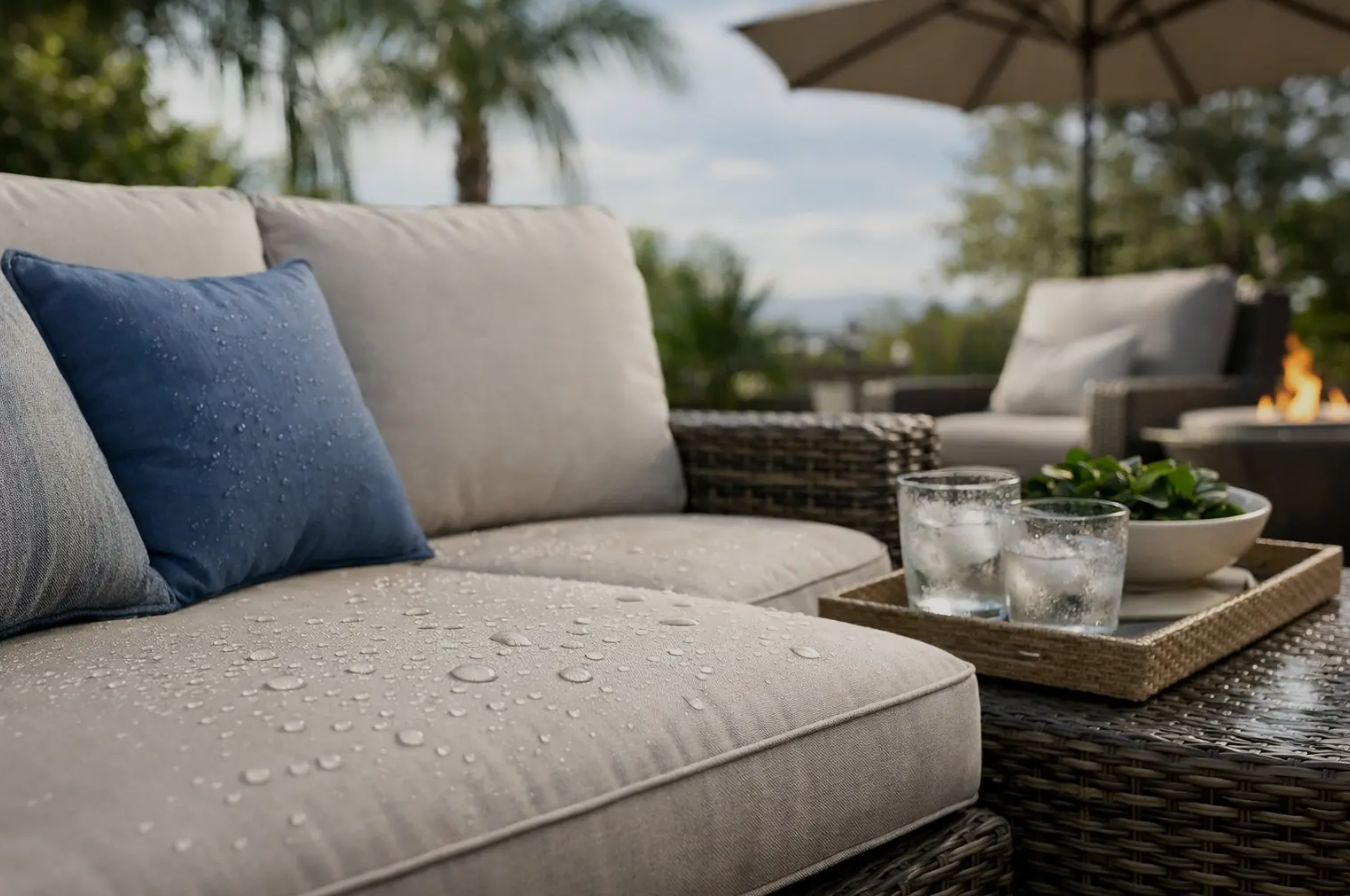
A beautiful patio can lose its appeal quickly when the seat cushions are faded, damp, or too thin to enjoy for more than a few minutes. Weather resistant patio cushions help keep your outdoor seating ready for morning coffee, family dinners, and the kind of unplanned gatherings that make a backyard feel like part of the home.
The right cushions do more than add color to a chair or sofa. They make outdoor furniture more inviting, soften the look of a hard-surfaced deck or patio, and help you create a space where people want to linger. Choosing well means looking beyond the pattern to consider fabric, filling, fit, and the weather your space sees most often.
What Weather Resistant Really Means
Weather resistant does not always mean completely waterproof. A quality outdoor cushion is usually designed to stand up to sun, light rain, humidity, and everyday use better than an indoor cushion. Its fabric should resist fading and moisture, while its filling should dry more easily and hold its shape through the season.
That distinction matters. If your cushions sit uncovered through frequent storms, even a weather-resistant option can eventually become soaked. For an open deck in a rainy climate, it is wise to pair durable cushions with a storage box or furniture cover. If your patio is sheltered by a gazebo, pergola, or umbrella, you may have more flexibility to prioritize softness and style.
Think about how you use the space, not just how it looks in a product photo. A sunny poolside seating area needs strong fade resistance. A covered front porch may need cushions that can handle pollen and humidity. A balcony with little storage benefits from lighter cushions that are easy to bring inside when the forecast changes.
How to Choose Weather Resistant Patio Cushions
Start with the fabric. Solution-dyed acrylic and similar performance fabrics are popular for outdoor use because color is built into the fibers rather than applied only to the surface. This helps cushions stay brighter through long stretches of sun. Polyester outdoor fabrics can also be a practical choice, particularly for seasonal seating, but their performance can vary by construction and finish.
A water-repellent finish is helpful for drizzles and spilled lemonade, but it is not a reason to leave cushions sitting in standing water. Look for fabric that allows moisture to move through and dry rather than trapping it inside. Quick-drying materials make the patio easier to enjoy after a passing shower and can reduce the musty smell that comes from cushions staying damp too long.
The filling deserves just as much attention. Foam offers a plush, supportive feel, especially on deep lounge chairs and outdoor sofas. Polyester fiberfill can feel soft and relaxed, though it may need occasional fluffing. For dining chairs, a firmer, slimmer cushion often makes more sense because it keeps guests at a comfortable table height.
Fit is another detail that can make or break the finished look. Measure the width and depth of the seat, then compare it with the cushion dimensions before you buy. For back cushions, measure from the seat to the top of the chair back. Ties, straps, or nonslip backing are useful on breezy patios and smooth metal furniture, where cushions tend to slide or shift.
Color and pattern should work with the larger outdoor setting. Neutral cushions in sand, gray, navy, or soft black create a calm foundation around wood, wicker, and metal furniture. Stripes, florals, and botanical prints can bring personality to a simple patio set without requiring a full furniture update. If you entertain often, consider a medium-tone pattern that is more forgiving of sunscreen marks, crumbs, and everyday outdoor life.
Match Cushion Style to How You Relax Outdoors
Seat cushions for dining chairs should feel supportive and polished. They are ideal for turning a basic bistro set or dining set into a more welcoming place for long summer meals. Coordinating cushions on several chairs can also make an older furniture set feel newly intentional.
Deep-seat cushions are made for slower moments - reading outside, catching up with neighbors, or stretching out after a weekend cookout. These cushions generally have more loft and need to fit the frame closely so they do not look undersized or bunch at the edges. A matching back cushion can make a patio sofa or club chair feel as comfortable as indoor seating.
Chaise lounge cushions are worth choosing with extra care because they support the body over a longer surface. Look for secure attachments and sections that bend naturally with the adjustable back of the chaise. A well-fitted lounge cushion turns a sunny corner of the yard into a true relaxation spot rather than a chair you use only occasionally.
Bench cushions offer one of the easiest ways to add comfort and charm to a garden bench, porch swing, or built-in seating area. They can warm up a quiet corner near planters and solar lights, or make extra seating ready for a backyard party. Because benches vary widely in size, measure carefully and allow for the cushion's depth when selecting one.
Keep Outdoor Cushions Looking Fresh
A little routine care helps outdoor cushions stay attractive longer. Brush off leaves, pollen, and crumbs before they work into the fabric. For most everyday messes, a mild soap solution, soft cloth, and clean water are enough. Always follow the care instructions for the specific fabric and avoid harsh cleaners that can damage water-repellent finishes or affect color.
After rain, stand cushions on their sides or prop them upright to encourage airflow. Do not stack wet cushions together, even if they are made for outdoor use. Giving them a chance to dry fully helps prevent mildew and keeps the filling from becoming compressed.
Storage is especially valuable during long rainy stretches, winter weather, or periods when the patio will not be used. A deck box, outdoor storage bench, or covered storage solution keeps cushions clean and ready while freeing up seating space. If you prefer to leave cushions outside during the warmer months, furniture covers can offer an added layer of protection overnight and during storms.
Avoid one common mistake: treating outdoor cushions as permanent, no-maintenance furniture. Sun, moisture, and airborne debris affect every material over time. Rotating cushions occasionally, moving them out of direct sun when possible, and storing them during the off-season can noticeably extend their useful life.
Build a Coordinated Outdoor Retreat
Cushions are often the easiest starting point for a patio refresh because they set the color direction for everything around them. A navy-and-cream cushion can pair naturally with a striped outdoor rug and warm lantern light. Earthy green or terracotta tones can complement garden planters, wood furniture, and a fire pit area. Bright coastal blues or cheerful florals can bring energy to a pool deck or balcony.
You do not need every item to match exactly. In fact, a layered outdoor space usually feels more relaxed when it combines a main cushion color, one accent shade, and textures such as woven rugs, wood tables, metal lanterns, or ceramic planters. Keep the furniture frame and larger pieces neutral if you enjoy changing the look from season to season.
For households that host often, choose cushions that make the whole seating area feel intentional. Add comfortable dining chair pads for meals, deep-seat cushions near the conversation area, and a few accent pillows where guests can settle in. Patio Treasures makes it easier to bring those pieces together with outdoor furnishings and finishing touches designed for relaxing and entertaining outdoors.
The best outdoor cushions invite you to use the patio more often, not worry about every cloud overhead. Choose materials that suit your climate, a fit that supports real comfort, and colors that make stepping outside feel like a small reward at the end of the day.