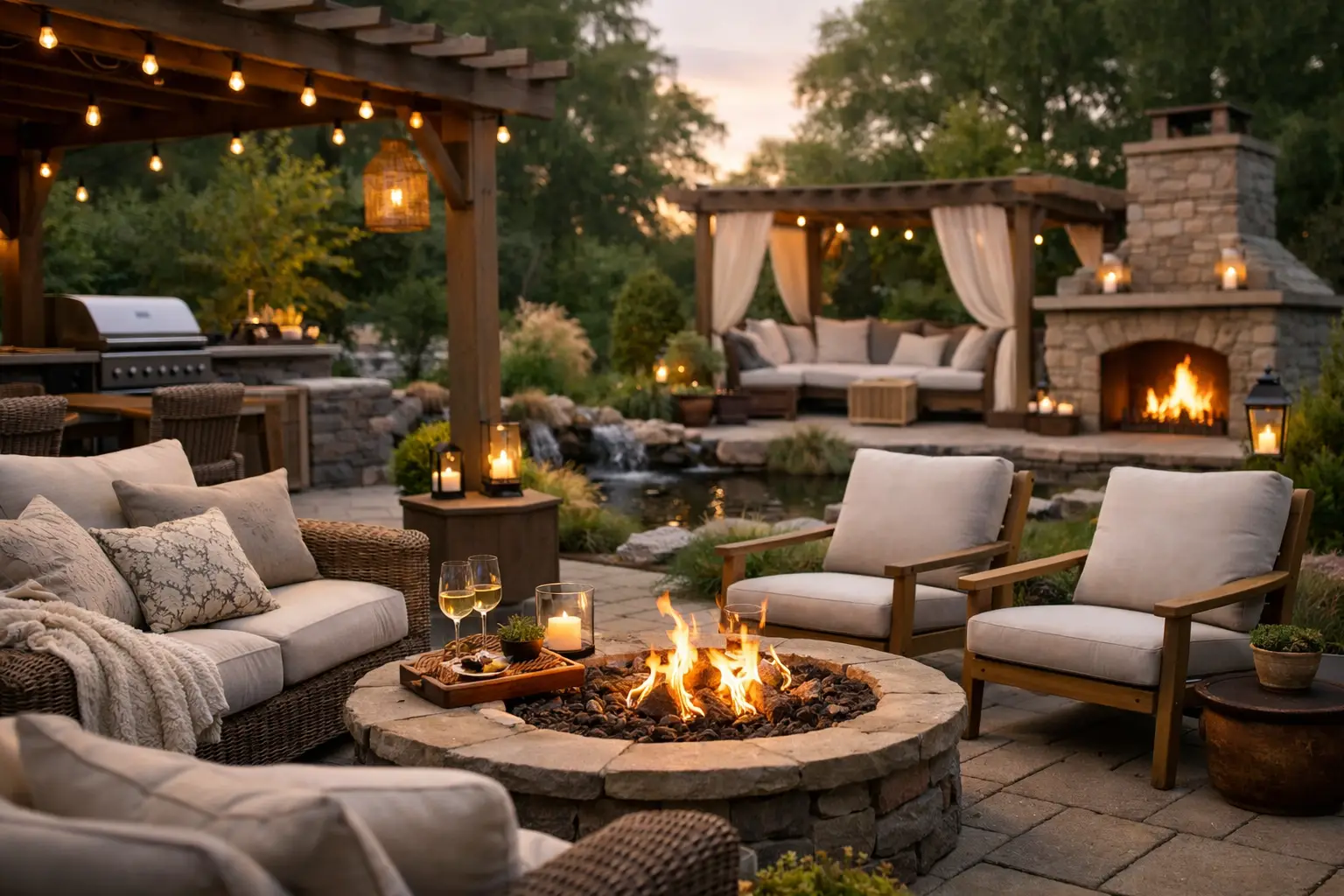
A backyard rarely needs a complete overhaul to become the place everyone wants to be. Often, the change starts with one clear decision: give the space a purpose beyond holding a grill and a few mismatched chairs. Learning how to design backyard retreat spaces means creating an outdoor room that supports the way you actually relax, eat, host, and spend time at home.
The best retreats feel personal rather than perfectly staged. They have a comfortable place to sit, enough shade for a sunny afternoon, light that makes evenings linger, and practical details that keep the area ready to enjoy. Start with the experience you want, then choose the pieces that make it easy to return to that feeling every day.
Start With the Moment You Want to Create
Before measuring furniture or choosing a rug, picture a normal Saturday at home. Is your ideal backyard a quiet coffee spot, a family dinner zone, a place for neighborhood cookouts, or a little of each? Your answer determines what deserves the most square footage and budget.
A compact patio can make a wonderful reading retreat with two lounge chairs, a small side table, and a market umbrella. A larger yard may need separate areas for dining, conversation, cooking, and play. There is no need to furnish every inch. Leaving some open space can make a backyard feel calmer and easier to move through.
Think about timing, too. If you mostly use the backyard after work, lighting and warmth may matter more than a large dining set. If weekend brunch is your favorite ritual, prioritize a table, comfortable dining chairs, and shade. Designing around real routines keeps the space useful long after the first warm weekend.
Map Your Backyard Retreat Before You Shop
Take simple measurements of the patio, deck, or yard area you plan to use. Mark doors, steps, gates, grill locations, trees, utility access, and any spots where rain tends to collect. Notice where the sun lands in the morning and late afternoon. The prettiest corner is not always the most comfortable one at 4 p.m. in July.
Create clear zones rather than placing every item around the perimeter. A seating area might face a fire pit or garden view. A dining zone works best near the kitchen or grill. Storage belongs close enough to use without becoming the focal point. Even a small backyard feels more intentional when each area has a job.
Leave comfortable walkways between zones. As a general rule, people should be able to pull out a dining chair or carry a serving tray without squeezing past furniture. If space is limited, choose fewer, better-scaled pieces instead of trying to fit a full outdoor living room and dining room into one narrow patio.
Let the View Lead the Layout
Use the best existing feature as your natural focal point. It could be mature trees, a garden bed, a pool, a fire pit, or simply the widest view of the yard. Arrange seating to enjoy that feature, not just to face the house.
If the view needs help, create one. A trellis with climbing plants, a sculptural planter, a fountain, or a grouping of outdoor lanterns can give the eye somewhere welcoming to land. This is especially helpful when a fence or neighboring wall dominates the space.
Choose Comfort First, Then Build the Style
Outdoor furniture is the foundation of a retreat, so buy for the way you want to sit, not just the way a set looks in a product photo. Deep seating encourages lingering conversations and laid-back evenings. Upright dining chairs suit meals and games. Chaise lounges make sense near a pool or in a sun-loving corner, but they can feel oversized on a small deck.
For a flexible setup, pair a loveseat or sofa with one or two chairs instead of relying on a matching set. This gives guests options and makes it easier to adjust the layout for a larger gathering. A coffee table anchors conversation seating, while side tables prevent the familiar problem of drinks balanced on armrests.
Choose materials that match your climate and maintenance preference. Powder-coated metal, all-weather wicker, teak, and durable outdoor fabrics can each be excellent options, but no material is completely maintenance-free. If your area sees intense sun, heavy rain, coastal air, or freezing winters, plan for covers, cushion storage, and seasonal care. A beautiful retreat should not become a chore every time the forecast changes.
Color can do much of the design work. Start with a neutral furniture base, then layer in color through cushions, outdoor rugs, planters, and decor. This approach makes seasonal refreshes affordable. Terracotta and warm cream create an easy, sun-washed look; navy and white feel crisp and classic; leafy greens and natural wood tones help a patio blend into the garden.
Make Shade Part of the Design
A retreat cannot feel restful if everyone is chasing a narrow strip of shade. Shade structures also make outdoor furniture more enjoyable and help protect fabrics from harsh sunlight.
A patio umbrella is an easy choice for a dining table or small seating area, especially when you need flexibility. A cantilever umbrella can cover a lounge set without placing a pole in the middle of the arrangement. For more permanent definition, a gazebo, pergola, or covered structure can turn a broad patio into a true outdoor room.
The right option depends on your space and local conditions. Umbrellas are adaptable, but they must be secured with an appropriate base and closed during high winds. Larger structures create stronger visual impact and more consistent coverage, though they require more planning. If you rent or want to keep your layout changeable, a movable shade solution may be the better fit.
Layer Lighting for Evenings Outside
One bright floodlight may be practical, but it does not invite people to stay outside. A welcoming backyard uses layers of light for safety, atmosphere, and function.
Start with pathway or step lighting where people walk. Add a gentle glow around seating with solar lanterns, string lights, or tabletop lights. Then make task areas usable: the grill, serving table, and outdoor kitchen benefit from clearer illumination. Warm-toned lighting usually feels more relaxed than stark white light.
Solar lighting is especially helpful for garden paths and decorative accents because it avoids extension cords and can be moved as your layout changes. Just remember that solar performance depends on the amount of direct sun each fixture receives. A shaded garden may call for battery-powered or wired options in key locations.
Add Warmth, Texture, and a Reason to Stay
A fire pit or outdoor heater can extend the season and give people a natural place to gather. A fire feature works beautifully in a conversation zone, but it needs clear space around it and a surface appropriate for its use. Review local regulations, keep it away from low branches and structures, and consider whether wood-burning or gas better suits your household.
Textiles are what make outdoor spaces feel finished. An outdoor rug defines a seating area and adds softness underfoot. Weather-resistant pillows and cushions introduce color and make chairs more inviting. Use them with intention, though. On an exposed deck, a few well-chosen textiles may be easier to maintain than a large collection that needs to be carried inside before every storm.
Decor should bring personality without crowding tabletops and walkways. Garden sculptures, wind chimes, planters, birdbaths, and decorative lanterns work best when they are repeated thoughtfully rather than scattered everywhere. Choose a few details that echo your color palette or reflect what your household enjoys, whether that is coastal style, classic gardening, or a playful spot for family gatherings.
Hide the Practical Stuff in Plain Sight
Nothing interrupts a relaxing view faster than loose cushions, grill tools, toys, and pool gear spread across the patio. Storage is not an afterthought in a well-designed backyard retreat. It is what keeps the space ready for an impromptu dinner or a quiet half-hour outside.
A deck box can hold cushions, throws, and outdoor games near the seating area. Smaller storage solutions can keep grilling accessories close to the barbecue. If children use the space, give their outdoor items a designated home that is easy for them to reach. The goal is not perfection. It is reducing the setup and cleanup that can make outdoor time feel inconvenient.
Give the Space a Simple Seasonal Routine
A backyard retreat looks its best when care is built into the plan. Sweep the patio regularly, wipe down tables, shake out the rug, and check furniture hardware at the start of each season. Store cushions when prolonged rain or winter weather arrives, and clean fire features and grills according to their care instructions.
You can also refresh the mood without replacing major pieces. Change pillow covers, add a new doormat, rotate planters with the season, or bring out lanterns for fall evenings. Patio Treasures makes it easier to coordinate those practical essentials and finishing touches when you are ready to build on what you already love.
Your retreat does not need to be finished all at once. Begin with the spot where you would most like to sit tonight, make it comfortable, and let each thoughtful addition invite you outdoors a little more often.