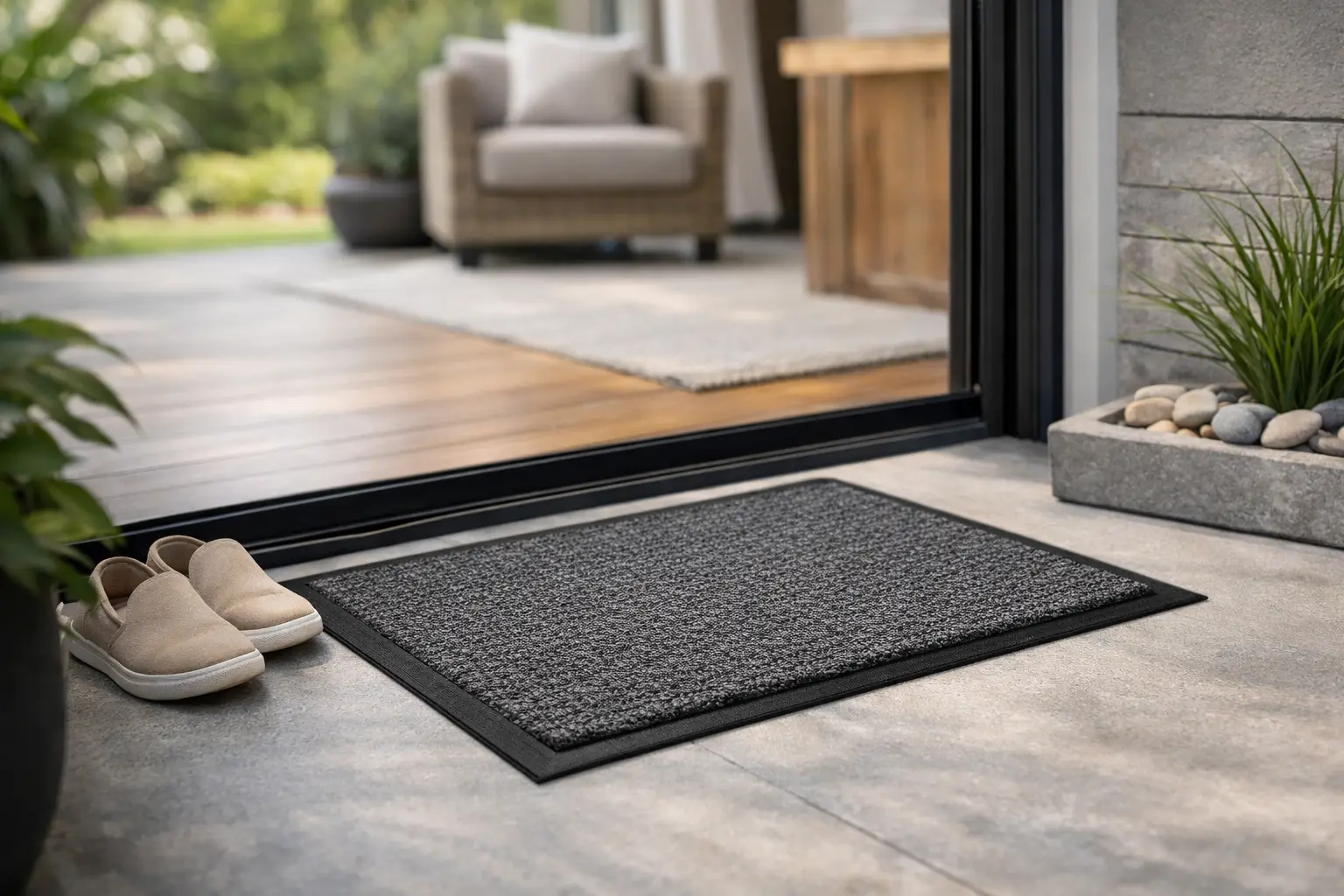
A doormat has a small job with a big effect: it is the first surface guests step on, and it can help keep wet shoes, garden soil, and patio debris from following everyone indoors. The right non slip outdoor doormat also gives your front porch, back door, or side entrance a more finished look - one that feels ready for everyday arrivals, weekend grilling, and relaxed outdoor entertaining.
A good choice is not just about finding a cheerful pattern or a seasonal greeting. It needs to stay in place underfoot, stand up to the weather in your area, and suit the way your household actually uses the door. Here is what to look for before bringing one home.
Start With the Surface Under the Mat
The best non slip outdoor doormat depends first on where it will sit. A mat that performs well on smooth concrete may slide on painted wood, while one with a thick rubber backing can hold moisture against a deck if it never gets lifted and dried.
For concrete, tile, stone, or other hard surfaces, look for a rubber or textured nonskid backing. The underside should have enough grip to resist the small forward push of someone wiping their shoes. Mats with a fully rubberized base often feel especially secure at busy front entries.
On a wood deck or porch, choose a mat that allows some air circulation and make a habit of lifting it after rain. This helps protect the surface underneath from trapped moisture and makes seasonal cleaning easier. If your porch is covered, you have more freedom to choose decorative coir, woven polypropylene, or fabric-style outdoor mats. At an exposed entry, weather resistance becomes more important than a soft, plush feel.
Outdoor rugs can also sit beneath a doormat to frame an entryway, but use this layered look carefully. The top mat should lie flat and the lower rug should be stable, so there are no raised edges to catch a toe.
Choose a Material That Matches Your Weather
Every material makes a different trade-off between scraping power, softness, color, and moisture resistance. Thinking about your local conditions will help you choose a mat that remains useful beyond its first season.
Coir for classic curb appeal
Coir is made from coconut husk fibers and has the natural, bristly texture people expect from a traditional front-door mat. It is excellent at scraping off dry dirt, leaves, and light mud. It also works beautifully with welcoming messages, simple stripes, and seasonal designs.
Its limitation is heavy, repeated moisture. Coir can shed fibers and may fade or break down sooner if left in direct rain and harsh sun all year. It is often best for a covered porch, a protected apartment entry, or a door with a substantial overhang.
Rubber for wet, high-traffic entries
Rubber doormats are a practical choice near garden gates, pool doors, mudrooms, and uncovered front steps. Their weight and grippy underside help them stay put, while open patterns can let water and mud pass through rather than collecting on top.
They may not offer the same warm, textured look as coir, but they are easy to rinse and especially helpful where shoes tend to arrive wet. A rubber mat with a decorative cutout border can bring a little more charm to a hardworking entry.
Synthetic fibers for color and easy care
Polypropylene, polyester, and other synthetic outdoor fibers resist moisture, mildew, and fading better than many natural materials. They come in a wide range of colors and patterns, making them a smart option when the doormat is part of a larger patio color scheme.
Look for a low-profile design with a quality nonskid backing. A thick, cushioned mat may be comfortable, but it can interfere with a door that swings outward or inward. Always measure the clearance before choosing a deeper pile.
Get the Size and Profile Right
A doormat that is too small can look like an afterthought and gives people little room to wipe both feet. For a standard single door, a mat around 18 by 30 inches is a familiar starting point. A wider front porch, French doors, or sliding patio doors often look more balanced with a 24 by 36 inch option or a larger runner-style mat.
Leave a little visible floor or porch surface around the edges so the entry does not feel crowded. At the same time, make sure the mat is wide enough for the natural path people take through the doorway. A back patio door used for meals and entertaining may need a wider mat than a rarely used side entrance.
Thickness matters as much as width. Open the door fully after placing the mat down. If the edge bunches, curls, or catches the door, choose a slimmer style. Low-profile mats are usually the safest choice for narrow thresholds and high-traffic exits.
Look Beyond the Label for Real Slip Resistance
“Non slip” can mean different things from one mat to another. Rather than relying on the wording alone, inspect the design features that create stability.
A secure outdoor mat usually has a textured rubber, latex, or PVC backing, enough weight to resist shifting, and flat edges that do not curl upward. Some mats have a nonskid coating rather than a full backing. Those can work well on dry, smooth surfaces, but they may offer less grip in frequent rain or on dusty concrete.
The condition of the surface matters, too. Even the best backing can slide if it is placed over sand, pollen, loose gravel, or a damp film of algae. Sweep the spot before setting down the mat, and periodically clean both the mat and the surface underneath. This simple routine helps preserve traction and keeps the entry looking cared for.
If you are placing a doormat on particularly slick tile, polished stone, or a breezy balcony, an outdoor-rated nonskid pad can add extra support. Make sure the pad stays hidden beneath the mat and does not create extra height at the edges.
Design an Entry That Feels Connected to Your Outdoor Space
A doormat is one of the easiest ways to bring personality outdoors without taking on a major project. Let it echo the mood of the surrounding space. A natural coir mat pairs easily with warm wood furniture, terracotta planters, and lanterns. A charcoal rubber mat suits a clean, modern patio with black metal seating. Blue, green, or striped synthetic mats can brighten a coastal-inspired deck or a small balcony retreat.
For a front entrance, a message mat can feel friendly without competing with the architecture. For a patio door, consider a pattern rather than wording, especially when the area already has colorful cushions, an outdoor rug, or garden decor nearby. Repeating one accent color from your planters, umbrella, or seat cushions helps the entry look intentional.
This is also a useful place to think seasonally. A durable neutral base can stay out year-round, while a patterned top mat or nearby porch accent can change with the season. It is a low-effort way to refresh the approach to your home before guests arrive.
Keep It Clean So It Can Keep Working
A doormat cannot trap dirt effectively if its surface is packed with it. Shake out dry debris once a week in busy seasons, or vacuum it when the material allows. Rubber and synthetic mats can usually be rinsed with a garden hose and left to dry completely before being returned to the entry.
For coir, avoid soaking it for long periods. A good shake, light brushing, and protected drying area are generally better choices. Lift any outdoor mat occasionally to sweep underneath, particularly after storms or during high-pollen months.
Replace the mat when the backing has worn smooth, the corners will not lie flat, or the fibers no longer clean shoes effectively. A faded design is mostly a style concern; a curled edge or sliding base is a safety concern and worth addressing promptly.
A Small Upgrade for a More Welcoming Patio
The most useful doormat is one that quietly does its job while making the entrance feel more inviting. Choose a surface-friendly backing, a material suited to your weather, and a size that fits the doorway rather than settling for the first design you like. At Patio Treasures, it is easy to treat this practical piece as part of a coordinated outdoor space, alongside the seating, lighting, planters, and accents that make time outside feel more like home.
Set down a mat that stays steady, sweep it clean now and then, and let every trip through the door begin with a little more comfort and charm.