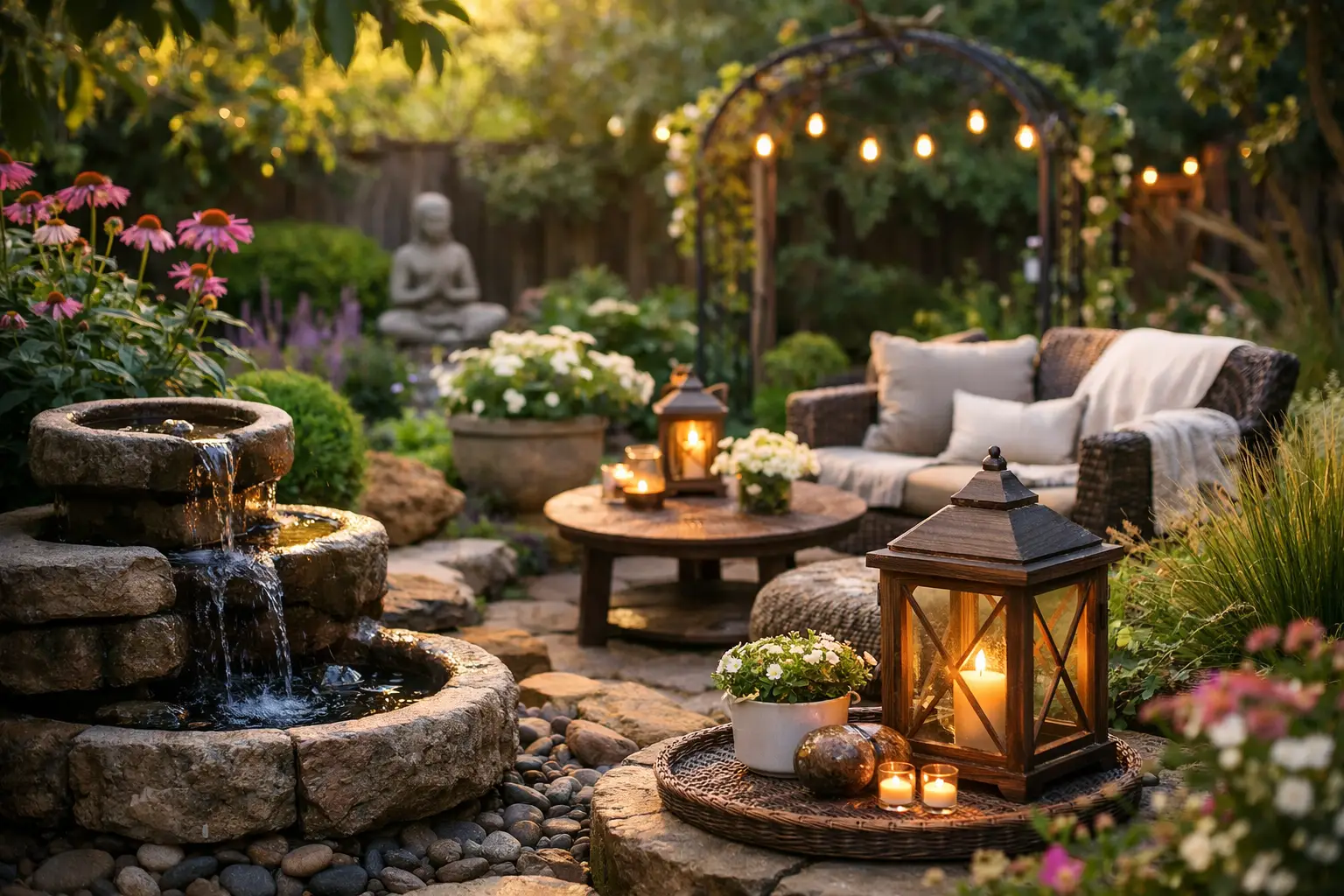
A patio can have comfortable chairs and a great view yet still feel unfinished once the sun goes down. The difference is often in the details: a lantern on the side table, a garden sculpture near the flower bed, a welcoming doormat at the door, or a soft outdoor rug underfoot. Thoughtful garden decor gives an outdoor area the warmth and personality that invites people to linger.
The goal is not to fill every open corner. It is to choose a few pieces that make your porch, deck, balcony, or backyard feel more like an extension of home - ready for a quiet morning coffee, family dinner, or relaxed weekend gathering.
Start With the Way You Use the Space
The best outdoor spaces are designed around real routines, not a showroom look. Before choosing colors or accents, consider where people enter, sit, eat, cook, and move through the area. A small front porch may need a strong welcome at the door, while a spacious backyard may need visual connections between the dining set, fire pit, and garden beds.
For a patio used for entertaining, begin with comfort and conversation. An outdoor rug can define the seating area, while lanterns or solar lights make the setting feel inviting after sunset. Near a grill or dining table, decorative pieces should stay low-profile and out of the way, leaving room for serving food and moving chairs.
If your outdoor space is more of a personal retreat, lean into elements that create calm. A fountain-like feature, wind chimes, planters, or a favorite sculpture can give the eye a place to rest. On a balcony, one well-chosen accent and soft lighting often have more impact than several small items competing for attention.
Build Garden Decor in Layers
Outdoor decorating feels more cohesive when it has layers. Think of furniture and structures as the foundation, then use decor to bring in texture, light, color, and a sense of welcome. This approach also makes updates easier because you can change a few accents as the season shifts without replacing the pieces you use every day.
Define the Ground Level
An outdoor rug is one of the simplest ways to make a seating or dining area feel intentional. It grounds the furniture, adds pattern, and brings a little indoor comfort outside. Choose a size that allows at least the front legs of chairs or a sofa to sit on the rug. A rug that is too small can make a generous patio set feel disconnected.
Doormats work in much the same way at an entry. They are practical for catching dirt and moisture, but they also set the tone before guests step outside. A classic coir-style look suits traditional homes, while a geometric pattern or seasonal phrase can add a more playful touch.
Add Height and Shape
Garden statues, trellises, tall planters, and birdbaths add structure where a flat patio or open lawn needs definition. Place taller elements where they can be appreciated from indoors as well as outdoors, such as beside a patio door, at the edge of a seating zone, or along a garden path.
Scale matters here. A compact statue may disappear beside a large gazebo, while an oversized piece can crowd a narrow porch. In a small area, one substantial accent usually looks more polished than a collection of tiny figurines. In a larger yard, repeat a material or color across several zones so the landscape feels connected rather than scattered.
Bring in Light for Evening Use
Lighting is decor with a job to do. Solar path lights help guests move safely through the yard, while lanterns bring a warmer, more relaxed glow to tables, steps, and seating areas. A few lights around a fire pit can help define the gathering space without competing with the flame.
Consider the atmosphere you want. Bright path lighting is useful near walkways and stairs, but soft, contained light is often better near a dining set or lounge chair. If your patio gets strong sun, solar lighting can be an easy low-maintenance choice. Shadier locations may call for battery-powered lanterns or other options that do not depend on a full day of sunlight.
Choose a Style You Can Repeat
A coordinated outdoor setting does not require every piece to match. It does benefit from a simple design direction. Pick two or three cues to repeat, such as black metal, weathered wood, warm bronze, coastal blues, botanical patterns, or clean neutral tones.
For a classic garden look, pair stone-look statues with aged metal lanterns, leafy planters, and chimes. For a more modern patio, use streamlined planters, geometric rugs, and simple solar lights in matte black or brushed finishes. If your home is casual and family-focused, bright cushions, playful garden stakes, and durable outdoor textiles can create a cheerful space that does not feel precious.
Color deserves a little restraint. Garden beds already bring changing shades of green, blooms, and foliage through the year. Choose one main decor color and one supporting accent so the space has energy without becoming visually busy. Navy and sand, terracotta and cream, or charcoal and sage are easy combinations that work across many styles of homes.
Make Practical Pieces Part of the Look
The most successful garden decor solves everyday problems as it adds charm. Storage benches and deck boxes can keep cushions, grilling tools, and outdoor toys within reach while reducing visual clutter. A decorative screen can create privacy on a side patio or hide items you would rather not see from the seating area.
Shade structures also become part of the design. A patio umbrella in a coordinating color can tie together a dining set and outdoor rug. A trellis adds vertical interest while supporting climbing plants and helping define a quieter garden corner. When function and appearance work together, the area feels easier to use and easier to maintain.
This is especially helpful for renters and homeowners with limited square footage. You may not be able to build a permanent structure, but you can still create a sense of enclosure with an outdoor rug, tall planters, a portable umbrella, and lighting. These choices make a compact space feel purposeful without taking up valuable room.
Give Each Area One Focal Point
Every outdoor zone benefits from a feature that catches the eye first. On a front porch, that might be a pair of planters flanking the door. In a backyard, it could be a fire pit surrounded by seating, a water feature near the garden, or a sculpture at the end of a path.
Once you have a focal point, let surrounding accents support it. For example, a statement garden statue does not need competing ornaments on every nearby surface. Add a few complementary planters or low solar lights, then leave some breathing room. Open space is part of good design because it allows the details you chose to stand out.
For entertaining areas, the focal point should also make sense for how people gather. A fire pit naturally draws guests in, while a bold outdoor dining table may need only a simple centerpiece and nearby lanterns. If the patio is used for both meals and lounging, define each purpose with its own rug, lighting, or planter grouping.
Plan for Weather, Care, and Seasonal Changes
Outdoor accents need to hold up to sun, rain, wind, and temperature swings. Materials such as powder-coated metal, resin, treated wood, and weather-friendly fabrics are often practical choices, but each has trade-offs. Metal may need occasional touch-ups in humid areas, while lightweight resin can be easier to move but should be secured where winds are strong.
Think about care before you buy. If you prefer low-maintenance outdoor living, choose solar lighting with accessible panels, washable rugs, and decor that can be wiped clean. More delicate items can still earn a place on a covered porch or in a protected garden nook.
Seasonal updates do not have to mean starting over. Keep your larger pieces neutral and durable, then refresh with a new doormat, lantern inserts, planters, or cushions. Autumnal tones can warm up a patio for evening fires, while lighter textiles and brighter accents make spring and summer spaces feel fresh.
At Patio Treasures, it is easy to pair decorative finishing touches with the furniture, shade, storage, and entertaining essentials that help your outdoor area work beautifully. Start with the corner you use most, choose one detail that makes it feel more welcoming, and let the rest of your retreat take shape from there.