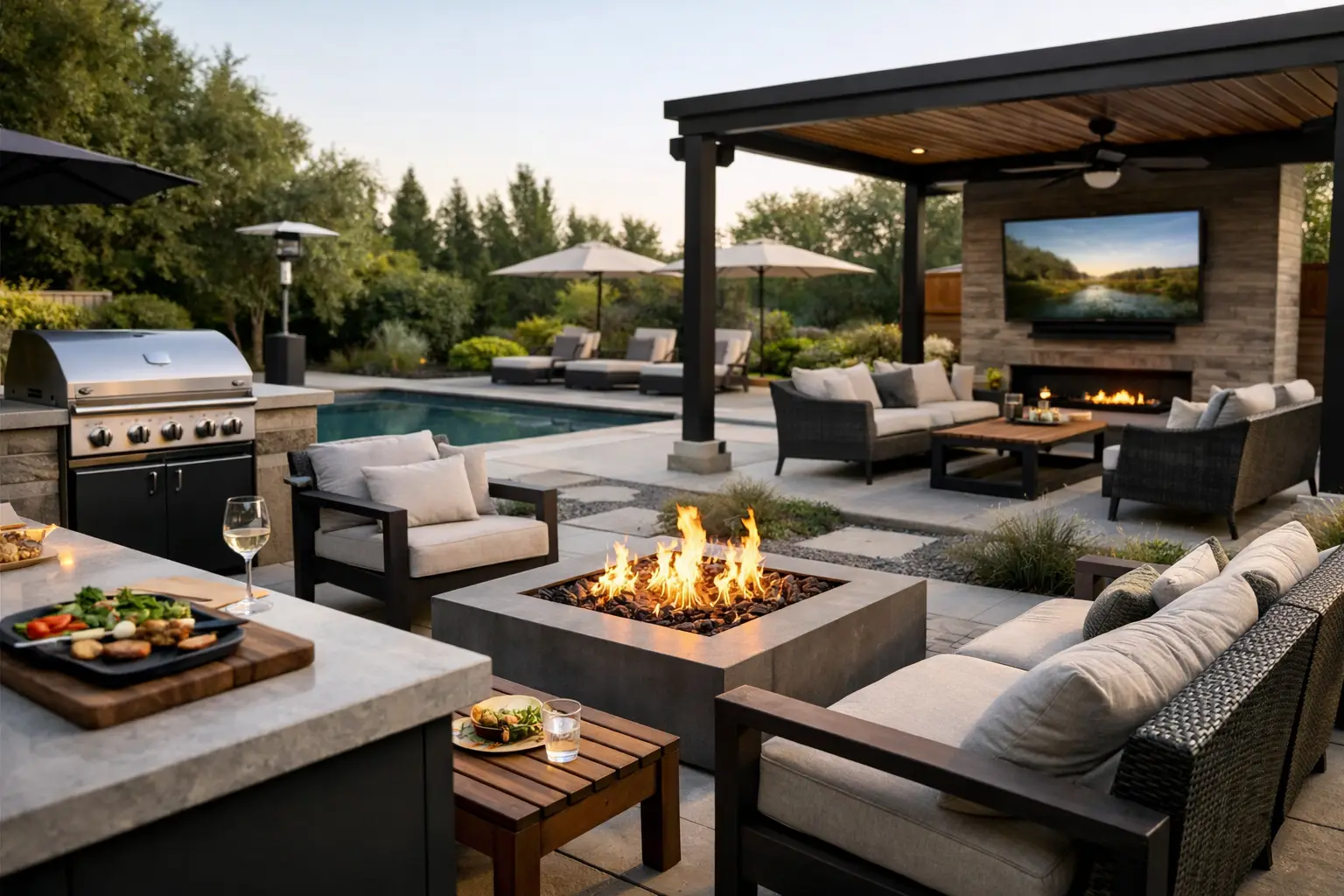
A patio earns its keep when it becomes the place everyone naturally drifts toward: coffee before work, a quiet hour with a book, burgers on a Saturday, or a late conversation around the fire. The most useful outdoor living trends are not about chasing a picture-perfect look. They are about making every square foot more comfortable, more personal, and easier to enjoy.
For homeowners, renters with a private balcony, and anyone with an underused backyard, the goal is simple: create an outdoor area that feels as welcoming as the rooms inside. That can mean a full furniture refresh, but it can also begin with better shade, one versatile storage piece, or lighting that makes the patio inviting after sunset.
Outdoor Living Trends Start With Real-Life Use
The strongest trend is designing around how your household actually spends time outdoors. Rather than buying matching pieces first and figuring out the layout later, start with the moments you want the space to support. A family that grills most weekends needs a clear route between the kitchen, grill, and dining table. Someone who uses a small deck for morning coffee may get more value from two comfortable chairs and a side table than from a large dining set.
This practical approach makes outdoor spaces feel less staged and more lived in. Think of the patio as an extension of your home, with zones for relaxing, eating, cooking, and gathering. The zones do not need walls between them. An outdoor rug can define a seating area, while a console, planter, or storage bench can gently separate dining from lounging.
Scale matters. Oversized sectionals can make a generous backyard feel luxurious, but they can overwhelm a narrow porch or balcony. In a compact space, choose lighter-profile seating, nesting tables, or pieces that can pull double duty. A small bistro set, stackable chairs, and a slim umbrella may create more usable room than one large furniture purchase.
Comfort Has Become the New Statement Piece
Outdoor furniture is moving away from the idea that patios need to look formal or feel temporary. Deep cushions, supportive lounge chairs, swivel seating, and generously sized dining chairs bring the comfort people expect indoors outside.
The visual look still matters, of course. Warm wood tones, woven textures, matte black accents, and soft neutrals continue to work beautifully across many home styles. But the most inviting spaces keep those finishes grounded with pillows, throws, and outdoor rugs that add color and softness. A navy cushion, terracotta planter, striped rug, or patterned lumbar pillow can give a neutral furniture set a distinct point of view without locking you into a major redesign.
Choose materials with your climate and maintenance preferences in mind. Powder-coated metal and all-weather wicker are popular for their durability, while wood brings natural warmth but may require more care depending on its finish and exposure. Cushions should be easy to bring in, store, or cover during harsh weather. The best choice depends less on a trend forecast and more on how much sun, rain, wind, and daily use your patio receives.
Flexible Seating Makes Hosting Easier
A good outdoor layout should accommodate both ordinary evenings and the occasional full house. Flexible seating is one reason lounge-style arrangements remain so appealing. A sofa or sectional gives the space a relaxed anchor, while a pair of accent chairs can be turned toward the view, the conversation, or a fire pit.
Ottomans and stools are especially helpful because they can serve as footrests, extra seats, or casual drink tables with a tray on top. If your space is small, look for folding or stackable chairs that can come out when friends arrive and tuck away afterward. This is a practical trend worth adopting because it prevents the patio from feeling crowded on quiet days.
Shade Is Part of the Design, Not an Afterthought
Shade has become one of the most important upgrades in outdoor living. It makes afternoon seating more comfortable, protects cushions and rugs from intense sun, and helps a patio feel like a true destination instead of a place people avoid between noon and four.
Umbrellas remain a smart choice for dining tables and smaller seating groups because they are flexible and easy to reposition. For broader coverage, a cantilever umbrella can shade a conversation area without placing a pole in the middle of it. Gazebos, pergolas, and trellises offer a more defined sense of enclosure and can turn an open yard into an outdoor room.
There is a trade-off between flexibility and permanence. An umbrella is easier to move or store, while a gazebo offers greater structure and presence. Before choosing, watch how sunlight moves across the patio for a few days. The shadiest-looking corner in the morning may be the hottest spot by late afternoon.
Layered Lighting Extends the Evening
One overhead fixture rarely creates the warm, welcoming atmosphere people want after dark. Layered lighting is a better approach: use practical light where you walk, softer light where you sit, and decorative touches where you want a little charm.
Solar path lights can guide guests safely along a walkway. Lanterns on a dining table or side table make the setting feel relaxed and intentional. String lights, used thoughtfully around a pergola, fence, or gazebo, add a gentle glow that does not need to compete with the stars. For a small balcony, even a few compact lanterns can make the area feel finished.
Aim for warm light rather than harsh brightness in lounging and dining zones. Brighter lighting has its place near steps, cooking areas, and entry points, but too much of it can flatten the mood. Outdoor lighting should help people linger, not make the patio feel like a parking lot.
Fire, Heat, and Cooking Create a Longer Season
Outdoor living is no longer limited to the hottest months. Fire pits, patio heaters, and outdoor fireplaces help families use their spaces on cool spring nights and crisp fall weekends. A fire feature also gives a seating arrangement a natural focal point, much like a coffee table does indoors.
Safety and clearance should guide the decision. A fire pit needs an appropriate surface, room around it, and placement away from low branches, structures, and anything flammable. If your patio is tight, a compact tabletop fire feature or electric heater may be more realistic than a large wood-burning pit. Always follow local rules and product instructions.
Cooking areas are becoming more intentional, too. A grill station does not have to mean a full outdoor kitchen. A reliable grill, a weather-resistant prep table, and organized storage for tools can make weeknight meals easier and weekend hosting more enjoyable. Keeping grilling accessories, serving trays, and tableware close by reduces back-and-forth trips inside.
Storage Keeps the Retreat Ready
A beautiful patio can quickly lose its appeal when cushions, toys, garden tools, and grill supplies are scattered around. Outdoor storage is one of the least glamorous upgrades, but it has an outsized effect on how often the space gets used.
Deck boxes and storage benches can hold cushions and throws while giving guests another place to sit. Vertical shelving can organize smaller supplies in a covered area. Decorative baskets or bins work well for outdoor games, but they should be brought in or protected when weather is a concern. The right storage solution depends on what you need to protect and how frequently you want to access it.
When the patio is easy to reset, spontaneous outdoor time becomes much more likely. That is especially valuable for busy households that do not want every dinner outside to require a major setup.
Personality Comes Through in the Details
The finishing touches are what keep a well-furnished outdoor area from looking like a catalog display. Garden statues, wind chimes, planters, doormats, wall decor, and tabletop accents can reflect your style without taking over the space. Choose a few pieces that feel meaningful rather than trying to fill every empty surface.
A coordinated palette makes this easier. Start with the main furniture finish, then repeat two or three colors through cushions, rugs, planters, and decor. For example, weathered gray furniture can feel warmer with cream, sage, and terracotta accents. Dark metal furniture can take on a crisp, modern feel with sand, charcoal, and deep blue.
Patio Treasures makes it easier to bring these layers together, from foundational furniture and shade to lighting, decor, storage, and entertaining essentials. Building in stages is perfectly reasonable: start with the comfort issue you notice most, then add the details that make the space yours.
Your next outdoor update does not need to transform the entire yard. Add the chair that invites you to sit longer, the umbrella that makes lunch outside possible, or the lanterns that keep the evening going. Those small, well-chosen changes are often what turn a patio into the place you look forward to being.