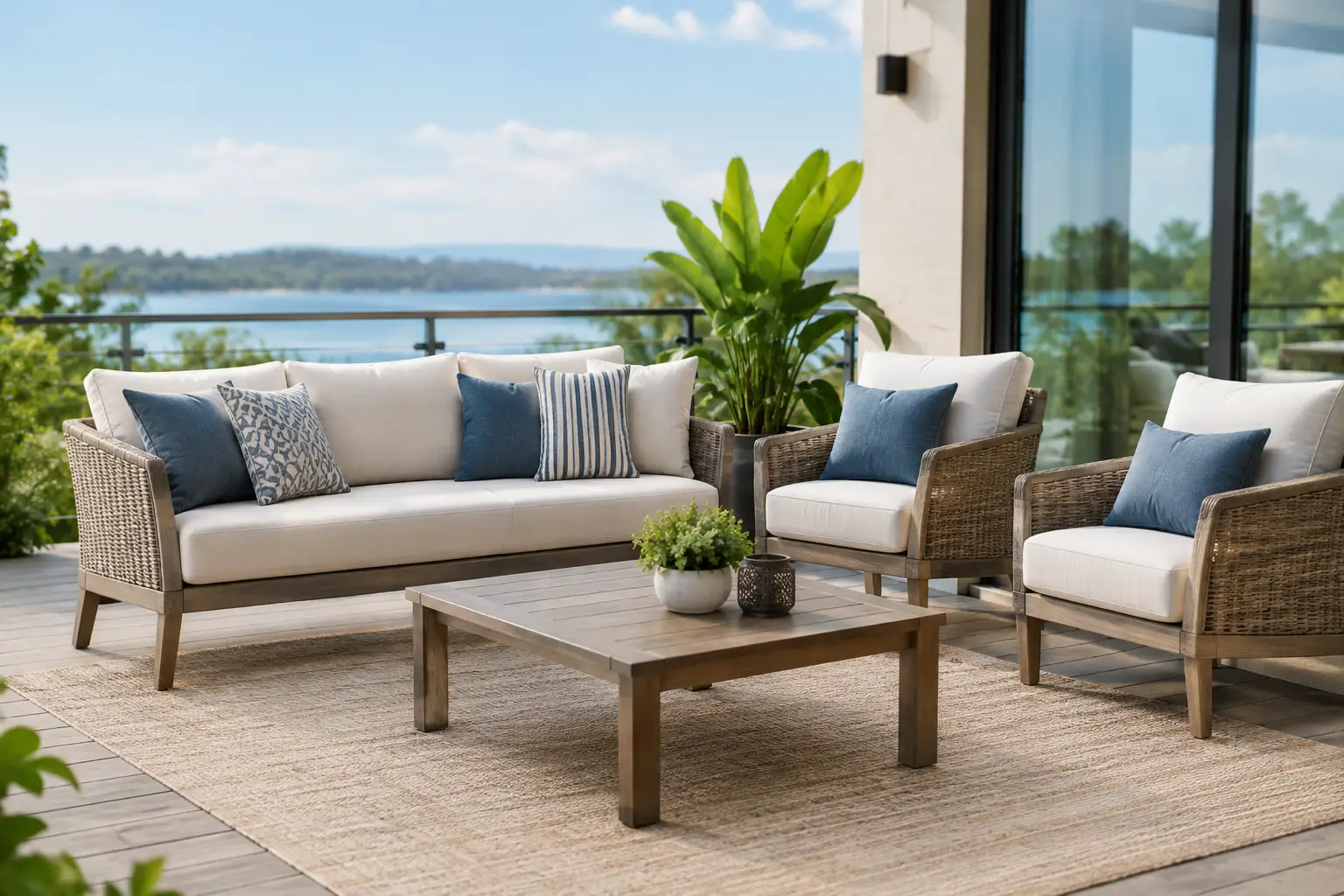
A patio can look inviting in a product photo and still feel awkward once the chairs are too deep for the space, the table is too small for dinner, or the cushions cannot handle the weather. Comparing patio furniture brands is less about finding one universally “best” name and more about choosing pieces that fit how you actually relax, host, grill, and spend time outdoors.
The right collection can turn an unused deck, balcony, or backyard corner into a favorite place to start the morning or gather on a weekend. A little attention to materials, proportions, comfort, and care requirements helps you make that investment with confidence.
What Separates Patio Furniture Brands?
Furniture brands often look similar at first glance. Two wicker conversation sets may share the same warm, relaxed look, but their frames, weave quality, cushion fabrics, and replacement options can be very different. Those details affect how the furniture feels after a full afternoon outside and how well it holds up through changing seasons.
Start with the frame. Aluminum is a popular choice because it is lightweight, rust-resistant, and easy to move when you want to refresh the layout. Steel can feel substantial and often offers excellent value, but it needs a durable protective finish and more care in rainy or humid climates. Teak and other hardwoods bring natural warmth to a porch or garden, though they need periodic maintenance if you want to preserve their original color. All-weather wicker offers a classic, comfortable look, but the quality of the underlying frame and woven resin matters far more than the label alone.
Cushions deserve the same close look. Outdoor cushions should feel supportive rather than overly soft and thin, especially on seating intended for long conversations or family meals. Look for fabrics designed to resist fading and moisture, along with removable covers when practical. A beautiful chair is only useful if everyone wants to sit in it.
Construction is another useful comparison point. Check how a dining table is supported, whether a sectional can be configured securely, and if chair legs include adjustable feet for uneven pavers or decking. Well-considered details may not be the first thing you notice, but they make daily use easier.
How to Compare Patio Furniture Brands for Your Space
Before falling for a color or silhouette, take a few measurements. Include the room needed to pull out dining chairs, walk around a coffee table, open a storage box, or pass comfortably between the grill and seating area. Outdoor square footage can disappear quickly once furniture arrives.
A small balcony may be better served by two generous lounge chairs and a compact side table than a crowded full dining set. On a larger patio, a sectional can define a relaxed conversation area while a separate dining table creates a natural place for meals. The best layout feels open enough to move through, even when guests are visiting.
Match the furniture to the way you gather
Think about your most common outdoor moments. If your household enjoys casual dinners, dining-height chairs and a table with enough elbow room should lead the decision. If the patio is where you read, enjoy coffee, or unwind after work, prioritize deep seating, ottomans, and a table within easy reach for drinks.
For frequent entertaining, flexibility is especially valuable. Stackable chairs, lightweight accent tables, modular sectionals, and extra stools let the space expand when friends or family come over without making it feel crowded every day. A fire pit table can also become a natural gathering point when evenings turn cool, provided you leave appropriate clearance and follow product safety guidance.
Compare materials with your climate in mind
There is no single perfect material for every US backyard. In bright, hot regions, fade resistance and cool-to-the-touch surfaces may be high priorities. In coastal or rainy areas, rust resistance and quick-drying cushions can make upkeep much easier. If snow and freezing temperatures are part of your winter, consider whether furniture will be covered, stored, or left outdoors.
This is where the price trade-off becomes clearer. A lower-priced set can be a smart option for a covered porch, a first apartment patio, or a lightly used seasonal space. For an exposed deck that sees daily use, spending more on weather-ready materials and durable cushions may deliver better value over time. Consider the cost per season of enjoyment, not only the price on the tag.
Look beyond the matching set
Some patio furniture brands excel at a tightly coordinated collection, while others make it easier to combine seating, tables, and accents across styles. Neither approach is wrong. A matching set creates a polished look quickly, which is helpful when you want an easy refresh. Mixing pieces can add more personality, especially when you repeat one unifying element such as a frame finish, cushion color, or natural wood tone.
For example, a black aluminum dining set can pair beautifully with a woven lounge chair if both have clean, contemporary lines. A teak bench can soften the look of a metal bistro table. Outdoor rugs, lanterns, planters, and pillows can pull these elements together while making the patio feel more like an extension of your home.
Questions Worth Asking Before You Buy
Product descriptions and customer reviews can help you compare options, but a few practical questions keep the decision focused. Ask whether the furniture is sized for your patio, whether the seating style suits your preferred use, and what seasonal care it will require. Confirm the warranty details, recommended cleaning methods, and whether replacement cushions or parts are available for the collection.
Also consider assembly. Larger outdoor pieces can be worth the setup time, but it helps to know what to expect before delivery day. Make sure you have a clear path through gates, hallways, or stairwells, especially for oversized sectionals, umbrellas, and dining tables.
Color is another everyday consideration. Light cushions can create an airy, resort-like feel, but they may show spills and pollen more easily. Darker fabrics can feel grounded and forgiving, though they may absorb more heat in direct sun. Patterned pillows and outdoor rugs offer an easy way to bring in seasonal color without committing your main furniture to a bold trend.
Build a Comfortable Outdoor Retreat in Layers
Furniture is the foundation, but comfort comes from the pieces around it. Shade can make a sunny patio usable at midday, whether that means a market umbrella, cantilever umbrella, gazebo, or pergola-style structure. An outdoor rug helps anchor a seating group and adds softness underfoot. Storage benches and deck boxes keep cushions, throws, and grilling accessories close by without creating visual clutter.
Lighting changes the mood after sunset. Solar pathway lights can guide guests through the yard, while lanterns and string lights bring a softer glow around dining or lounge areas. For cooler months, outdoor heating or a fire feature can stretch the season and make the patio feel welcoming well beyond summer.
At Patio Treasures, it is easy to think beyond one chair or one table and create a coordinated space for relaxing and entertaining outdoors. Choosing furniture alongside shade, lighting, storage, and finishing touches helps each purchase work harder for your home.
Choose for Real Life, Not Just the First Look
The most appealing patio furniture brands offer more than a stylish image. They help you create a setting that works on quiet Tuesday evenings, busy family weekends, and the spontaneous gatherings that become favorite memories. Give yourself permission to choose durability over a passing trend, comfort over an overly formal look, and the right scale over the largest set available.
Start with the place where you want to spend more time outdoors, then choose the pieces that invite you to stay awhile.