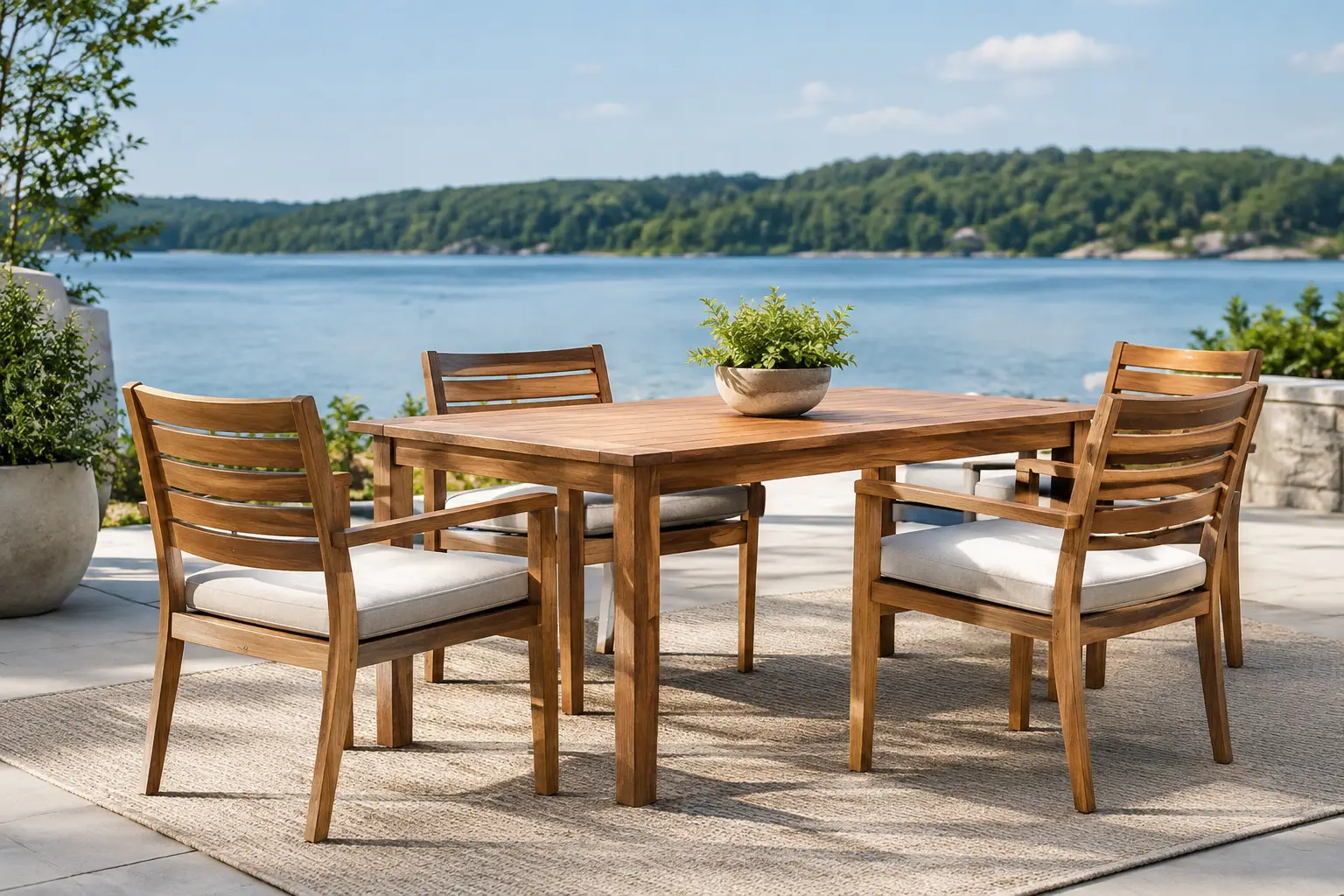
A sun-warmed acacia dining table can make a patio feel less like an empty slab and more like the place everyone gathers after the grill is lit. But a beautiful wood finish is only part of the decision. This acacia furniture review looks at how the material performs outdoors, what kind of upkeep it asks of you, and when it makes more sense than aluminum, wicker, or teak for your home.
Acacia is a strong hardwood with expressive grain, warm honey-to-chestnut color, and a tailored natural look that works especially well in relaxed, design-conscious outdoor spaces. It can be an excellent choice for seating, dining sets, coffee tables, and accent pieces. The catch is simple: it rewards routine care. If you want furniture you can leave uncovered through every season without a second thought, another material may fit better.
Acacia Furniture Review: The Real Strengths
Acacia is valued because it delivers a substantial, high-end look without always carrying the price of teak. Its dense wood construction helps it stand up well to everyday use, from family dinners to weekend drinks with friends. A well-built acacia chair or table feels grounded rather than flimsy, which matters when your patio furniture needs to serve as a true extension of your indoor living space.
The grain is another major advantage. No two boards look exactly alike, so acacia brings warmth and character that powder-coated metal and resin materials cannot fully duplicate. It pairs naturally with neutral cushions, striped outdoor rugs, woven lanterns, black metal planters, and soft solar lighting. Whether your style leans coastal, modern farmhouse, or clean-lined contemporary, the wood can keep the setting from feeling cold or overly matched.
Acacia also works beautifully in smaller spaces. On a balcony, a compact bistro set provides visual richness without requiring extra decor. On a larger deck, an acacia dining table can become the anchor for a welcoming entertaining area, especially when paired with an umbrella for midday shade and an outdoor rug to define the zone.
How Durable Is Acacia Outside?
Acacia is naturally dense and reasonably resistant to wear, but it is still wood. That distinction matters. It can handle outdoor life well when it is protected from standing water, prolonged dampness, and intense, unrelenting sun. Most quality pieces arrive with a protective finish or oil, yet that finish is not permanent armor.
In mild or seasonal climates, acacia furniture can be a practical long-term investment with basic maintenance. In areas with very humid summers, frequent rain, harsh winter freeze-thaw cycles, or desert-level sun, you will need to be more attentive. The furniture itself is not necessarily a poor choice in those locations, but its care schedule should be part of the purchase decision.
Sunlight can gradually fade the original golden-brown tone into a silvery gray. Some homeowners love that weathered patina. Others prefer the fresh, richer finish seen in product photos. Neither result means the furniture has failed. The difference is whether you are willing to apply outdoor wood oil or sealant periodically to preserve the color you chose.
Moisture is the bigger concern. Water that remains on the surface or collects around joints can encourage splitting, warping, mildew, and finish deterioration over time. Position furniture where rain can drain away, wipe off puddles after storms, and avoid placing wooden legs directly on constantly wet grass or soil. A patio, deck, covered porch, or well-draining paver area is a far better setting.
What to expect over time
Acacia may develop small checks, fine surface cracks caused by expansion and contraction as humidity changes. This is common with natural wood and is often cosmetic, particularly on broad tabletops. Deep cracks, loose joints, or pronounced warping are different issues and deserve attention.
Furniture construction makes a real difference here. Look for smooth joinery, stable leg connections, sturdy hardware, and slats with reasonable spacing for drainage. A lower-priced wood set can still be attractive, but it may need more frequent tightening, refinishing, or seasonal storage than a more substantial piece.
The Maintenance Commitment Before You Buy
The best acacia furniture is the furniture you will actually maintain. For many households, the routine is manageable: brush away debris, clean spills promptly, and give the wood attention a few times a year. For someone who travels often or prefers a fully hands-off patio, aluminum or all-weather wicker may be the easier answer.
For regular cleaning, use a soft cloth or brush with mild soap and water. Rinse lightly and let the furniture dry completely. Avoid pressure washers, abrasive scrubbers, bleach, and harsh household cleaners, which can strip protective finishes or roughen the surface.
When the wood looks dry, faded, or less water-resistant, refresh it with a product made for exterior hardwood furniture. Always follow the product instructions and test a small, less-visible area first. The goal is not to create a thick, glossy coating. It is to nourish and protect the wood while allowing its natural grain to remain part of the look.
Covers are worthwhile, especially during long stretches of rain, pollen season, or winter. Choose breathable covers sized to allow airflow rather than trapping moisture against the wood. If you can, store acacia furniture in a dry covered space during severe winter weather. Stackable chairs and folding pieces are particularly convenient for seasonal storage.
Acacia vs. Other Popular Patio Materials
Acacia is not automatically the best outdoor furniture material. It is the best fit for certain priorities.
Teak is generally the stronger choice for buyers who want an exceptionally weather-tolerant hardwood and are comfortable paying more. It has a long-standing reputation for outdoor performance, though it still benefits from cleaning and can also weather to gray. Acacia offers a similar warm wood appeal at a more approachable entry point, but it typically needs more protection from tough conditions.
Aluminum is ideal for low-maintenance households. It is lightweight, rust-resistant, and easy to move around for parties or seasonal rearranging. It lacks acacia's natural depth, but cushions, rugs, and planters can add softness. If your patio receives heavy rain or you do not want to oil furniture, aluminum is often the practical winner.
All-weather wicker brings a comfortable, lounge-ready look and pairs well with deep cushions. Quality varies widely, so frame material and weave construction matter. It can be a better option for plush seating areas, while acacia often feels more at home in dining sets and mixed-material designs.
Steel and wrought iron provide weight and classic style, but they require vigilance against rust if their finish gets chipped. Acacia will not rust, though it has its own needs around moisture and finish care.
Who Should Choose Acacia Furniture?
Choose acacia if you want your patio to feel warm, collected, and connected to the garden. It is especially appealing for homeowners who enjoy the small rituals of keeping an outdoor space looking its best. A quick wipe-down after a meal, an occasional protective treatment, and a good cover can go a long way toward preserving the furniture's charm.
It is also a smart choice when you want to coordinate several outdoor elements without creating a showroom look. An acacia table, cushioned chairs, a neutral umbrella, and a few textured accessories create an inviting retreat with enough flexibility for casual lunches, holiday cookouts, and quiet coffee outside.
Skip acacia, or reserve it for a covered porch, if you need truly maintenance-light furniture in a very wet, exposed location. The same is true if you know you will be frustrated by color changes or natural wood movement. There is no wrong preference here. A patio should support your lifestyle, not add another chore to your weekend.
Styling Acacia for a More Inviting Patio
Let the wood provide the warmth, then build comfort around it. Cream, sand, olive, navy, and charcoal cushions all complement acacia's varied tones. A generously sized outdoor rug helps a dining or lounge area feel intentional, while a few planters soften hard deck lines and connect the furniture to the landscape.
For entertaining, prioritize the pieces people touch and use most: comfortable seating, a table with enough room for serving dishes, shade where the afternoon sun hits, and lighting that keeps the conversation going after sunset. Patio Treasures makes it easy to pair those practical foundations with the finishing details that bring personality outdoors.
If acacia suits your climate and your willingness to care for it, it offers more than a place to sit. It gives everyday outdoor moments a warmer setting, from a quiet morning on the deck to a table full of friends under the evening lights.