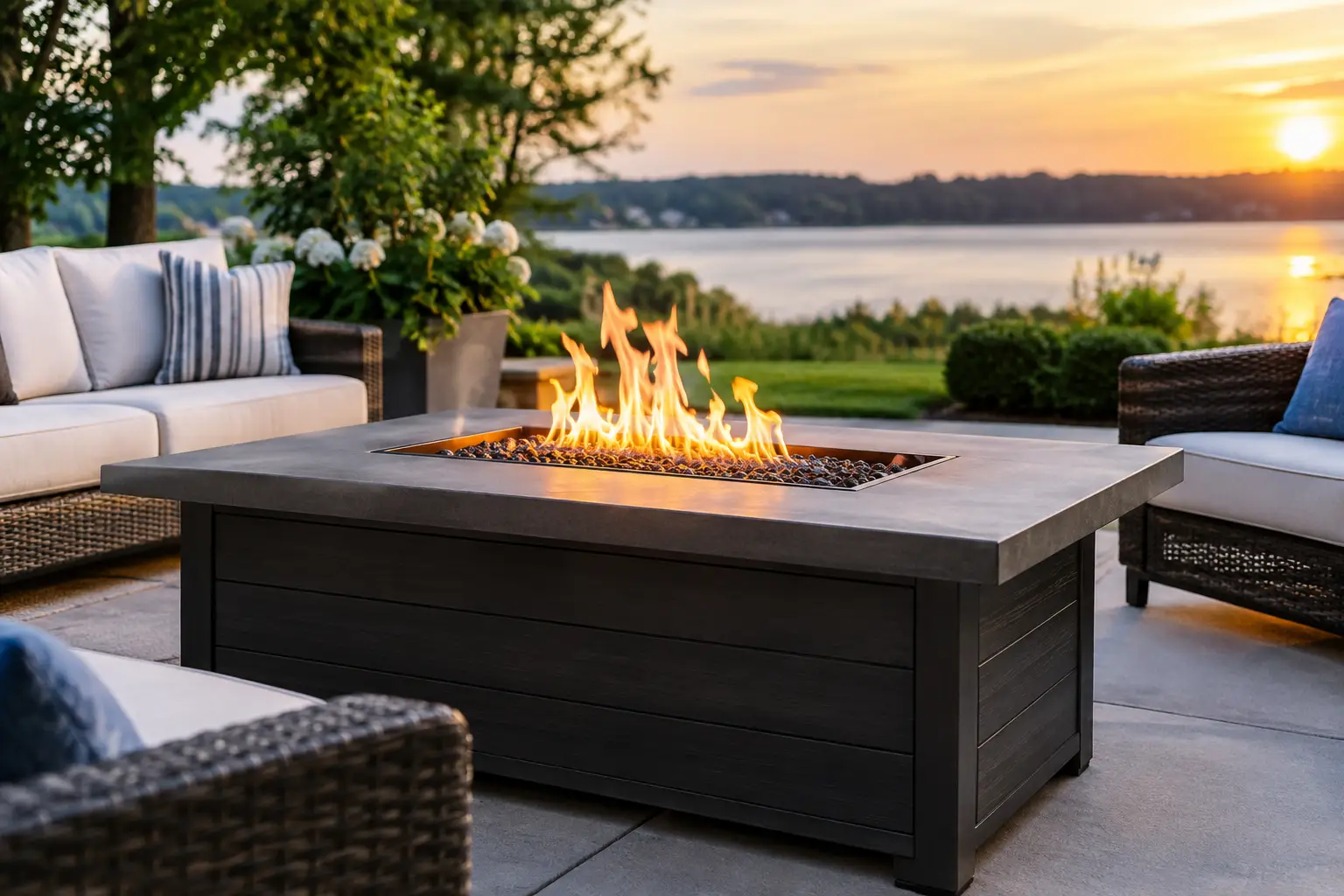
A fire table can turn an ordinary patio into the place everyone gathers after dinner, on crisp fall evenings, or during a quiet cup of coffee outdoors. But can fire tables stay outside through changing weather? Usually, yes. They are made for outdoor use, but leaving one exposed year-round without a cover or seasonal care can shorten its life and take away from the polished look of your space.
The best approach is not necessarily to move your fire table indoors. It is to choose a weather-ready model, give it a smart location, and protect it from the conditions that cause the most wear. With a few practical habits, your fire table can remain a comfortable centerpiece for relaxing and entertaining outdoors season after season.
Can Fire Tables Stay Outside Year-Round?
Most outdoor fire tables can stay outside year-round when they are designed for exterior use and maintained according to the manufacturer's instructions. Their frames, burners, ignition systems, and decorative surfaces are typically built to handle normal outdoor exposure. Still, “outdoor-rated” does not mean “maintenance-free.” Rain, snow, salty coastal air, intense sun, windblown debris, and freezing temperatures all affect materials differently.
A covered patio in a mild climate places far less stress on a fire table than an open deck in a snowy or coastal area. A table with an aluminum frame and a fitted cover may need only regular cleaning, while a concrete-style table in a hard-freeze region may benefit from more deliberate winter protection. Think of it like the rest of your patio furniture: it belongs outside, but it will look better and last longer when treated as an investment rather than a permanent fixture in the weather.
Before leaving any model outdoors, check its care guide. Details such as recommended cover use, drainage requirements, and cold-weather storage vary by material and fuel type.
What Weather Can Damage a Fire Table?
Water is usually the biggest concern, especially when it collects where it should not. Standing water can leave stains on tabletops, contribute to corrosion on metal parts, and work its way into a burner pan or ignition area. A little rain is not normally a problem, but pooled water after a storm deserves attention.
Freeze-and-thaw cycles are another consideration. Moisture can expand as it freezes, putting pressure on porous or concrete-look surfaces and small seams. In places with long, cold winters, keeping the table dry and covered is especially helpful. If a surface has a visible crack or chipped sealant, address it before freezing weather arrives rather than allowing moisture to get deeper into the material.
Sun is more gradual but still worth planning for. Direct UV exposure can fade some finishes and dry out certain painted or faux-wood details over time. Wind may carry leaves, pollen, and grit into the burner area, while coastal air can speed up corrosion on unprotected metal hardware. None of these conditions means a fire table is the wrong choice. They simply make a fitted cover and routine cleanup more valuable.
Choose the Right Location Before You Set It Up
A well-placed fire table is easier to protect and more enjoyable to use. Set it on a stable, level, noncombustible surface such as a patio, paver area, or suitable deck surface approved for the product. Avoid low spots where rainwater collects, and do not place the table directly beneath low branches, fabric umbrellas, or anything that can be affected by heat.
Give the fire feature open clearance on all sides. Fire tables are for outdoor areas with good airflow, not enclosed porches, garages, or tightly screened spaces unless the product specifically states otherwise. Keep seating at a comfortable distance so guests can enjoy the warmth without crowding the flame.
If your patio gets frequent rain, a location with nearby overhead protection can help, provided there is enough height, ventilation, and clearance to operate the table safely. Never use a fire table under a structure simply because it keeps the tabletop dry. The table's manual should always guide the final placement.
A Cover Is the Simplest Year-Round Protection
A fitted, weather-resistant cover is one of the most useful accessories you can buy for an outdoor fire table. It keeps rain, leaves, bird droppings, pollen, and dust off the surface between uses. It also helps the fire table stay guest-ready, so you spend less time cleaning before a weekend gathering.
Wait until the unit is completely cool before covering it. Choose a cover that fits closely enough to stay in place but allows a little airflow, since trapping moisture can create mildew or encourage corrosion. After heavy rain or snow, remove the cover briefly when conditions allow and check for dampness underneath.
For tables with a burner opening, a burner lid or insert adds another useful layer of protection. It helps keep debris out of the fire media and can create a more finished tabletop when the flame is not in use. If your design includes fire glass or lava rock, inspect it occasionally and remove leaves, twigs, or anything that does not belong near the burner.
Care Tips by Fire Table Material
Different finishes bring a different look to your outdoor retreat, along with slightly different care needs. Aluminum is a popular choice because it resists rust and is relatively lightweight. Wipe it with mild soap and water, then dry it thoroughly. Scrubbing pads and harsh cleaners can dull the finish.
Steel and iron can be beautiful and substantial, but they need closer attention if the protective finish gets scratched. Touch up damaged areas promptly when the manufacturer recommends it, and do not allow water to sit on exposed metal. In humid or coastal locations, regular wipe-downs make a noticeable difference.
Concrete, cast concrete, and concrete-look fire tables bring a grounded, architectural feel to a patio. They can also be heavier and more sensitive to moisture in freezing temperatures. Keep the surface clean, use a cover, and follow the product guidance on sealing or winter storage. Never assume that a concrete finish can tolerate every de-icing product or chemical cleaner.
Wicker-look bases and tile or stone tabletops need their own attention. Clean woven details gently so debris does not collect in crevices. For tile, keep grout and edges in good condition and avoid letting water stand along seams. A soft cloth, mild soap, and regular care are usually better choices than aggressive cleaning products.
Protecting the Burner and Fuel Supply
The visible tabletop is only part of the fire table. The burner and fuel components deserve equal care. Keep burner ports clear, inspect the ignition area for debris, and look for signs of corrosion before lighting the table after a long stretch of bad weather. If the flame looks uneven or ignition is unreliable, stop using the unit until you have checked the troubleshooting guidance or arranged qualified service.
For propane fire tables, turn the control knob off after each use and close the propane cylinder valve. Store propane cylinders upright outdoors in a well-ventilated location, away from direct heat sources and out of enclosed sheds, garages, or homes. If you disconnect the tank for the season, keep the connection protected from dirt and moisture.
Natural gas tables do not have a portable tank to manage, but their hose and connections still need periodic inspection. Do not drag the table by the gas line or make unapproved modifications. Gas components are not the place for a shortcut.
Winter Storage: Cover, Store, or Move?
In many parts of the United States, covering the fire table outdoors is enough for winter. This is often the most practical choice for heavy tables or for homeowners who enjoy using the fire feature on mild winter nights. Check it after storms, brush off snow before it becomes heavy or icy, and make sure the cover has not shifted.
Indoor storage can make sense for compact, portable fire tables, especially in regions with severe winter weather. A dry, protected storage area helps preserve finishes, but fuel cylinders must remain outside as directed by safety guidelines. Never bring a propane cylinder indoors just because the fire table itself is being stored.
If you are closing down the patio for several months, clean the table first. Let it cool fully, remove debris, dry the surface, inspect the burner area, and cover it properly. Starting spring with a clean, cared-for fire table makes it much easier to bring warmth and personality back to your outdoor space.
Make Outdoor Care Part of Your Patio Routine
A fire table does not need constant attention to stay beautiful. A quick wipe after use, a cover when it is cool, and a brief inspection after rough weather go a long way. Pair it with comfortable seating, soft outdoor lighting, and a storage solution for covers and accessories, and it becomes more than a heat source. It becomes the natural center of a welcoming retreat.
When choosing a new fire table, Patio Treasures makes it easier to build around the way you actually use your patio, deck, or backyard. Select a style that complements your furniture and the climate where you live, then give it the simple protection it deserves. The reward is a warm, inviting place that is ready whenever you want to step outside and stay awhile.