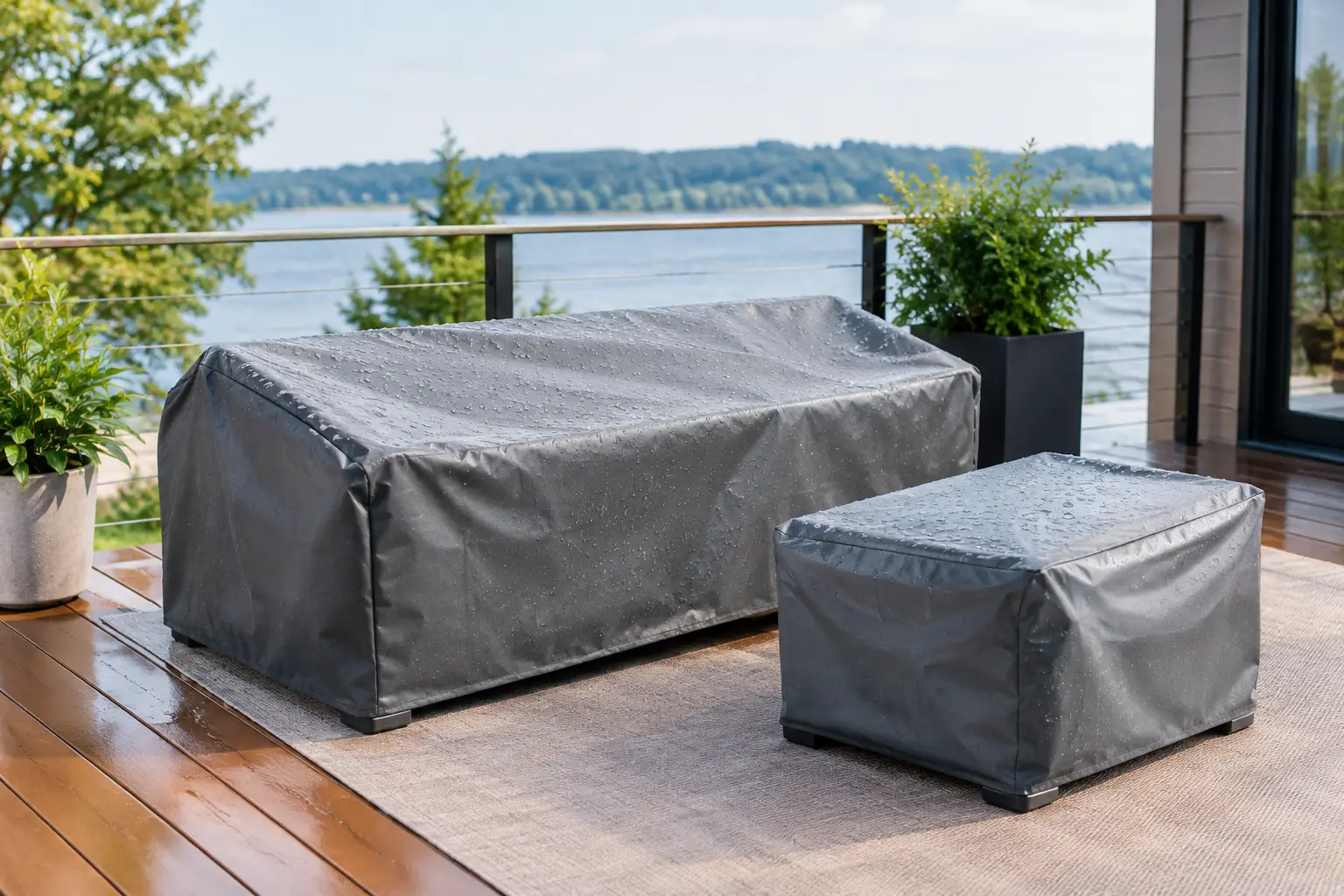
A patio set can look ready for a relaxed dinner on Friday and collect rainwater, pollen, and windblown leaves by Sunday morning. That is why a waterproof furniture cover product review should look beyond a promising label. The right cover protects the pieces that make your outdoor space comfortable, while the wrong one can trap moisture, flap apart in a storm, or become too awkward to use regularly.
For homeowners who want their patio, deck, or balcony to stay inviting between gatherings, a cover is a practical finishing layer. It will not replace seasonal cleaning or make furniture indestructible. It can, however, reduce the daily wear that turns a favorite seating area into a weekend chore.
What a Waterproof Furniture Cover Should Deliver
The best furniture covers balance weather protection with everyday usability. A heavy cover that takes two people to wrestle over a small conversation set may stay in the storage bin. A thin cover that slips off at the first strong gust is not much better. Look for a design that fits the way you actually use your outdoor area.
A worthwhile cover should block rain from reaching cushions, frames, tabletops, and woven details. It should also shield surfaces from UV exposure, tree debris, bird droppings, and dust. That matters whether you have a deep-seating sectional beside the fire pit or a compact bistro set on an apartment balcony.
Waterproof does not mean that every cover handles moisture the same way. Some fabrics use a coated backing to repel water. Others pair a weather-resistant outer layer with seams designed to limit seepage. Both can work well, but performance depends on construction, fit, and how water drains from the covered furniture.
Waterproof Furniture Cover Product Review: What Matters Most
Fabric weight and weather resistance
Material is the first clue to how a cover will perform. Polyester is common because it is lightweight, easy to handle, and available in many sizes. Higher-denier polyester generally feels thicker and tends to hold up better against regular use, though denier alone does not guarantee waterproofing. A quality coating and carefully finished seams matter just as much.
Vinyl-backed options often provide strong rain resistance, making them appealing in wet climates or for furniture that sits uncovered for long stretches. The trade-off is breathability. In humid areas, a fully sealed, non-breathable material may encourage condensation beneath the cover. That can leave metal frames damp and create an unwelcome environment for mildew on cushions.
For most patios, a medium-to-heavy outdoor fabric with a water-repellent coating offers the best balance. It should feel substantial without being stiff, and it should fold easily enough to store when guests arrive. If your furniture gets intense afternoon sun, choose a cover with UV-resistant fabric as well. Rain is only one part of the weather story.
Fit is more than a measurement
A cover should be slightly roomier than the furniture, but not dramatically oversized. Too-tight covers put stress on seams and corners. Oversized covers sag, catch wind, and create low spots where rainwater can pool.
Measure the widest points of your furniture, including armrests, chair backs, and table edges. For sectionals, consider whether one large cover makes sense or whether separate covers will be easier to manage. One cover creates a cleaner look and fewer gaps, while individual covers are more flexible when only part of the seating area needs protection.
Shape matters, too. A rectangular dining-set cover may technically fit a round table and chairs, but excess fabric can gather at the base and hold moisture. Covers designed for deep seating, chaise lounges, umbrellas, grills, and storage boxes usually provide a neater fit and better protection where it counts.
Secure straps and ties earn their keep
Wind can turn a loose cover into a sail. A dependable design uses adjustable buckle straps, drawcords, elastic hems, or click-close fasteners to keep the fabric close to the furniture. Ideally, the cover includes more than one securing point. One drawcord can help, but straps at the legs offer much better protection during blustery weather.
This is especially important for elevated decks, open yards, and balconies where wind moves freely. If storms are common in your area, test the straps before you need them. A cover that is easy to tighten and release is far more likely to be used after every gathering.
Vents prevent a hidden problem
Air vents may sound like a small feature, but they can make a major difference. Covered furniture still needs airflow. Vents help reduce condensation and allow wind pressure to escape, so the cover is less likely to balloon or lift.
The best vents are protected by flaps that discourage rain from blowing inside. They are not a guarantee against mildew, particularly after several damp days, but they are a smart safeguard. For cushions, the better habit is to let everything dry before covering it whenever possible.
Where Covers Perform Well - and Where They Need Help
Furniture covers are excellent for overnight protection, seasonal downtime, and the stretch between weekend gatherings. They are particularly useful during pollen season, under leafy trees, and in regions with frequent light rain. Instead of wiping down every chair before coffee or dinner, you can remove the cover and enjoy the space sooner.
They are less effective when water is allowed to collect on top. A flat table under a cover can create a shallow basin after a heavy storm, placing pressure on fabric and seams. Raise the center slightly with a purpose-made support or a clean, weather-safe object that will not damage the tabletop. The goal is a gentle slope that sends water off the sides.
Covers also need reasonable care. Shake off leaves and debris before folding them. Rinse dirt with a garden hose and use mild soap when needed, then let the cover dry completely before storing it. Avoid harsh cleaners that can weaken protective coatings. A clean cover is less likely to transfer grime onto the furniture it is meant to protect.
Choosing a Cover for Your Outdoor Setup
Start with how often you entertain and how exposed the space is. A covered porch may only need a lighter, water-resistant option for dust and occasional windblown rain. An open patio in a four-season climate benefits from a heavier waterproof cover with reinforced seams, vents, and multiple tie-downs.
For dining sets, prioritize a cover that reaches below the chair seats and secures around the legs. For lounge furniture, select a low-profile design that follows the shape of the seating rather than leaving loose pools of fabric. For sectionals, consider how you will remove the cover when company arrives. A large cover is convenient for total protection, but separate pieces may make quick setup easier.
Color has a practical role, too. Neutral covers can blend quietly with most patio styles, while darker colors may hide dirt better. In strong sun, darker fabric can become hot to the touch. That does not usually harm the cover, but it may matter if you are handling it during the hottest part of the day.
A Smart Way to Protect the Patio You Love
A furniture cover is most valuable when it becomes part of a simple outdoor routine. Let cushions dry after rain, secure the cover before storms, and remove it on bright days when you want the space to feel open and ready. Those small habits help preserve the seating, tables, and accents that make outdoor relaxation feel effortless.
When you are refreshing a complete backyard retreat, Patio Treasures makes it easier to pair durable protection with furniture, storage, lighting, and entertaining essentials that feel coordinated. Choose the cover that suits your climate and furniture shape, then spend less time cleaning up after the weather and more time enjoying the patio you created.